
















Best Seller Product
-26%


First Drop One Day Many Stories
Original price was: Rp403.088.Rp299.000Current price is: Rp299.000.
-31%


First Drop One Day Many Stories
Original price was: Rp257.904.Rp179.000Current price is: Rp179.000.
-39%


Original price was: Rp910.400.Rp559.000Current price is: Rp559.000.
-23%


First Drop One Day Many Stories
Original price was: Rp570.078.Rp439.000Current price is: Rp439.000.
-23%

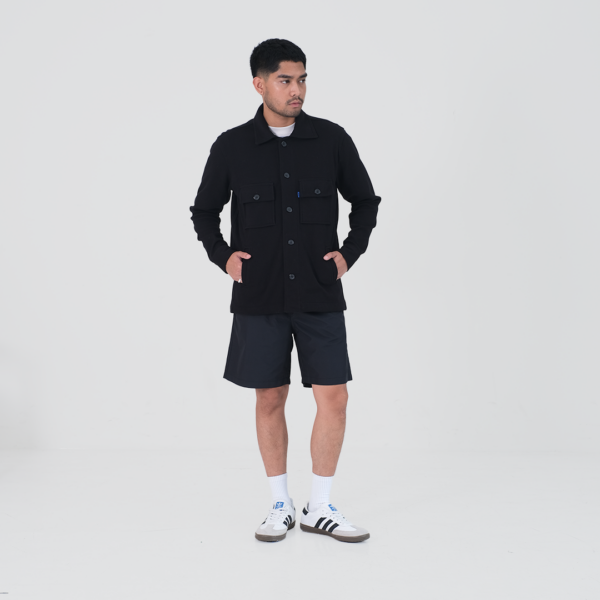
First Drop One Day Many Stories
Fhundred – Chore Jacket Veste Heavyweight Cotton Regular Fit
Original price was: Rp619.780.Rp479.000Current price is: Rp479.000.
-24%


First Drop One Day Many Stories
Original price was: Rp433.358.Rp329.000Current price is: Rp329.000.
STILL TRUE TODAY
-39%


Original price was: Rp750.400.Rp459.000Current price is: Rp459.000.
-44%


First Drop Still True Today
Original price was: Rp302.400.Rp169.000Current price is: Rp169.000.
-40%


Mini Drop Still True Today
Original price was: Rp398.400.Rp239.000Current price is: Rp239.000.
-40%


First Drop Still True Today
Fhundred – Collarless Boxy Jacket Knitted Celmore Two Tone Oversized Fit – Black Grey
Original price was: Rp894.400.Rp539.000Current price is: Rp539.000.
-41%


First Drop Still True Today
Original price was: Rp558.400.Rp329.000Current price is: Rp329.000.
-42%


First Drop Still True Today
Original price was: Rp462.400.Rp269.000Current price is: Rp269.000.
-40%


Mini Drop Still True Today
Original price was: Rp398.400.Rp239.000Current price is: Rp239.000.
-40%


First Drop Still True Today
Original price was: Rp798.400.Rp479.000Current price is: Rp479.000.
-45%


First Drop Still True Today
Original price was: Rp542.300.Rp299.000Current price is: Rp299.000.
-41%


First Drop Still True Today
Fhundred – Open Collar Shirt Rekha Stripe Loose Fit – Stripe Grey
Original price was: Rp526.400.Rp309.000Current price is: Rp309.000.
ONE DAY MANY STORIES
-25%


First Drop One Day Many Stories
Original price was: Rp199.000.Rp149.250Current price is: Rp149.250.
-30%


First Drop One Day Many Stories
Original price was: Rp389.000.Rp272.300Current price is: Rp272.300.
-46%


First Drop One Day Many Stories
Original price was: Rp396.198.Rp213.300Current price is: Rp213.300.
-43%


Last One Day Many Stories
Original price was: Rp338.130.Rp192.300Current price is: Rp192.300.
-48%


Last One Day Many Stories
Original price was: Rp384.930.Rp198.270Current price is: Rp198.270.
-50%


Last One Day Many Stories
Fhundred – Kemeja Stand Collar Shirt Short Sleeve Camisa Regular Fit
Original price was: Rp388.130.Rp192.300Current price is: Rp192.300.
-43%


Last One Day Many Stories
Fhundred – Kemeja Stand Collar Shirt Long Sleeve Manche Regular Fit
Original price was: Rp373.230.Rp213.300Current price is: Rp213.300.
FHUNDRED X KAUM ADAM
-47%

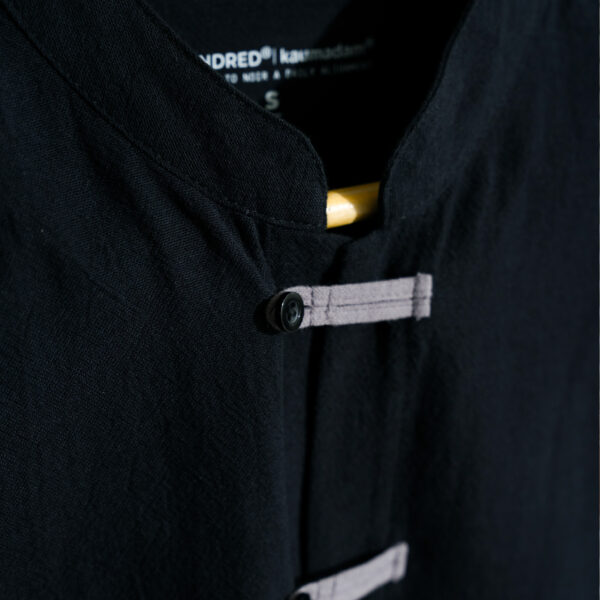
Fhundred X Kaum Adam
Original price was: Rp590.400.Rp313.650Current price is: Rp313.650.
-39%


Fhundred X Kaum Adam
Fhundred X Kaum adam – Polo Shirt Zipper Noir Boxy Oversized Fit
Original price was: Rp558.400.Rp339.000Current price is: Rp339.000.
-47%


Fhundred X Kaum Adam
Fhundred X Kaum adam – Side Pocket Long Pants Dusky Loose Fit
Original price was: Rp590.400.Rp313.600Current price is: Rp313.600.
-47%


Out of stock
Fhundred X Kaum Adam
Original price was: Rp430.400.Rp228.650Current price is: Rp228.650.
-47%


Fhundred X Kaum Adam
Fhundred X Kaum adam – Vest V-Neck Aftern Boxy Oversized Fit
Original price was: Rp398.400.Rp211.650Current price is: Rp211.650.



Good examples turn abstract instructions into decisions that readers can evaluate, which is why they remain central to teaching, product design, public policy, and technical documentation. A strong illustration does more than repeat a rule: it identifies the relevant conditions, shows the process in sequence, and makes clear why one outcome follows from another. In classroom assessment, a short test built around a realistic case measures whether students can transfer a principle to new facts rather than merely recall its definition. The surrounding explanation should then distinguish essential details from distracting ones, since learners often mistake familiar wording for genuine understanding. Comparisons are especially effective when they place a successful approach beside a plausible but flawed alternative and explain the difference without oversimplifying it. Used with restraint, concrete illustrations improve clarity while leaving enough complexity for readers to apply the underlying idea independently.